From drones to remote robotics: where Tanzanian technicians could fit in New Zealand's changing workforce
Tips · 2026-09-16 · 4 min read
When a New Zealand business adds AI to its operations, the software is usually the easy part. The hard part is deciding who will run, maintain and supervise it. A 2026 technology trends report on New Zealand puts a number on the gap, and the number is useful if you are a technician or engineer in Dar es Salaam, Arusha or Mbeya thinking about a move.
Reading the key figure
The report puts the figure plainly: 93% of AI spending in New Zealand organisations goes towards technology and only 7% towards people and skills. The country already faces an ageing workforce and persistent regional labour shortages, so the imbalance reads as a warning: businesses are acquiring capability faster than they can develop it.
Step one: understand what is changing
The report says the experimental phase of AI is finished. The advantage now belongs to organisations willing to redesign how work actually gets done. Adding a copilot to an old workflow does not produce a more capable team; it adds a new tool to an unchanged job description. The report calls this shallow adoption. Around one in eight organisations worldwide has moved agentic AI into production, while most still run pilots that generate activity without value.
Step two: see where people are needed
The report describes 2026 as the year of the hybrid human and silicon workforce. Routine, repetitive and hazardous tasks go to AI systems and robotics, while people take on work that needs judgment, creativity and technical depth. Automation is moving into agriculture, utilities, infrastructure inspection and transport, which are sectors where New Zealand's geography and dispersed population already make staffing hard.
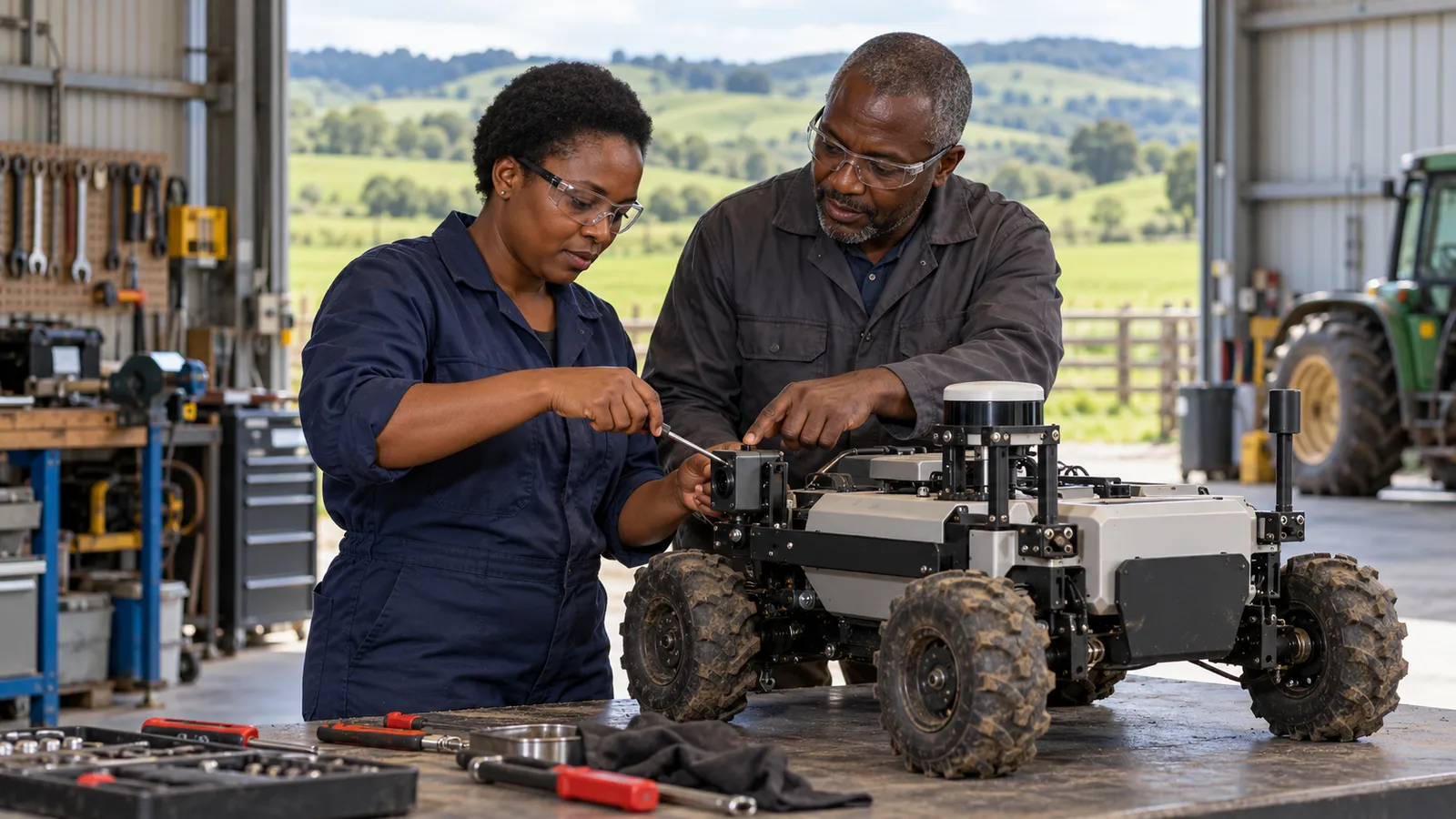
Demand for people will not disappear; it will change shape. Three groups are named: technical operators who can manage and maintain autonomous systems, specialists in regional and infrastructure-heavy sectors where physical AI such as drones, autonomous inspection and remote robotics is expanding fastest, and upskilled local talent supported by targeted international recruitment where gaps cannot be closed fast enough.
Step three: match it with your background
Be careful here. A VETA certificate, NECTA results or a degree from a Tanzanian institution does not automatically translate into a New Zealand licence, skills assessment or occupational registration. Some trades require registration, and employers decide what they accept. Use the report as a guide to the skills worth deepening, not as a promise of work. Compare it with New Zealand's large project pipeline and the workforce strain in the South Island.
Step four: prepare your evidence
- Write one page on each system or machine you have run, repaired or supervised.
- Collect references and certificates; if a police clearance is requested, obtain it from the Tanzania Police Force.
- Build a short CV: try Build AI CV, then show your history on Talent Tabloid, where a verified profile lets employers check your experience.
- Look at vacancies that state employer sponsorship to see how requirements are written.
Common mistakes technicians make
- Believing "AI" on a CV is enough without a concrete example.
- Ignoring the cyber side. The report warns that AI helps attackers run phishing campaigns and probe for weaknesses faster than security teams can respond, and that aviation, healthcare and transport are increasingly digital.
- Treating a policy report as a hiring announcement.
- Paying an intermediary who promises a job; use only a licensed immigration adviser or a lawfully exempt person for New Zealand advice, and an adviser on the MARA register for Australia.
Frequently asked questions
Who benefits from the shift?
Workers who can operate and maintain autonomous systems, and specialists in regional, infrastructure-heavy sectors.
Does the report say New Zealand will recruit overseas?
It mentions targeted international recruitment where local skills gaps cannot be closed fast enough.
What is shallow adoption?
Dropping AI into an existing process without redesigning the work.
Is cybersecurity part of this?
Yes. As more infrastructure goes digital, under-skilled operators become a risk.
What should I read next?
Try why skilled migration pathways matter more as AI reshapes white-collar work.
Key takeaways
- 93% of AI spending goes to technology and 7% to people and skills.
- Redesigning work, not buying tools, is where the advantage lies.
- Technical operators and regional specialists are the roles described.
- Prepare evidence of what you have done, not only what you studied.
#technicians #new zealand #ai #tanzania #remote robotics #workforce planning
 AI is trimming desk jobs abroad: which skills should Tanzanian applicants build before moving to Australia?
 New Zealand is changing who it hires: three Tanzanian profiles, and where each stands
 Could a trade matter more than a degree for Australia? What Tanzanian plumbers and carpenters should check