Could a trade matter more than a degree for Australia? What Tanzanian plumbers and carpenters should check
Tips · 2026-09-07 · 4 min read
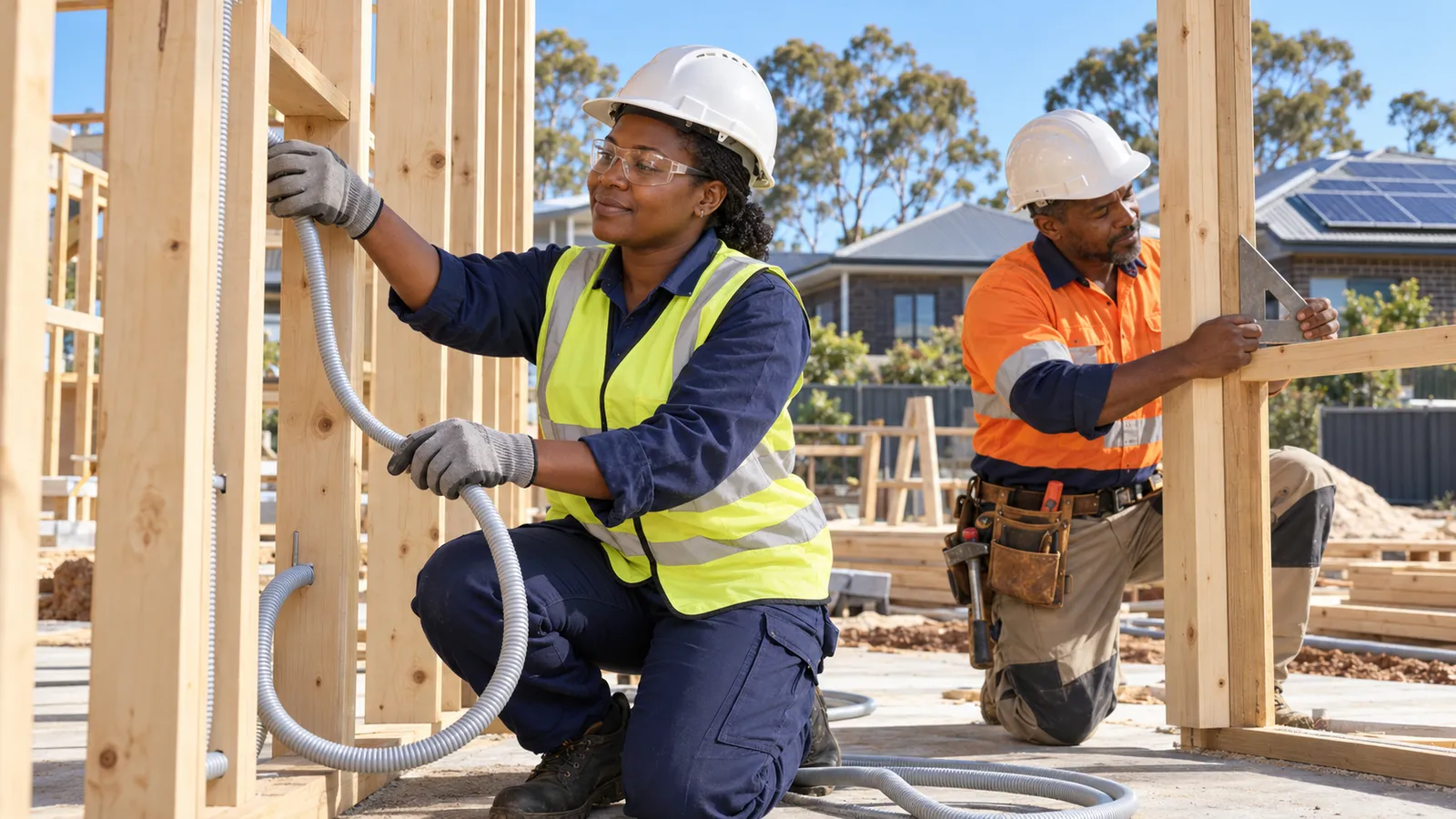
"Get a degree, get a graduate job, hope it leads to permanent residence." That was the standard migration script for years. For Tanzanians in Dar es Salaam, Arusha and elsewhere who have a trade, it is worth asking whether the script is out of date. Here are five claims, each set against what Australian evidence shows.
Claim: Australia can train its own tradespeople
Apprenticeship numbers are climbing again, and carpentry, plumbing and electrical enrolments have all picked up over the past year. But training a fully qualified tradesperson takes years. Government-commissioned research has flagged shortages across every major construction trade at some point in the past five years, and close to half of construction's trade occupations are still short-staffed. Housing targets, the energy transition and the infrastructure pipeline all want the same electricians, plumbers, carpenters and bricklayers. That kind of long-term shortage keeps trades on priority migration lists.
Claim: degrees always pay more
Not any more, at least not automatically. A licensed electrician running a specialist or commercial operation can realistically clear six figures, above many graduate office roles. Solar installers in particular have found a lucrative niche, and established operators report tens of thousands of dollars in monthly business revenue before costs. Senior roles in medicine, law and corporate leadership still head the income ladder, but the floor under trades has risen.
Claim: AI will take trade jobs
Software can write a report, yet it cannot climb into a roof cavity, trace a fault in old wiring or physically fit a solar system. Physical trades sit largely outside the AI risk zone. A tradesperson-turned-owner in Adelaide summed it up: new tools may arrive, but someone still has to fit, wire and maintain them.
Claim: a trade certificate is enough
This is the claim to treat with the most care. Australia's skilled migration settings increasingly favour construction and trade-linked occupations, and industry bodies say the system underuses skilled migrants already onshore and is too slow at recognising overseas qualifications. A VETA certificate shows your training, but it never automatically equals an Australian licence, skills assessment or registration. Recognition, not job availability, is often the bottleneck. RPLDirect explains how skills assessment works for Australia.
Claim: you can only work for someone else
Building your own business is a genuine pathway too. Many migrant tradespeople in Australia have moved from employee to owner-operator within a few years. Regional and skilled visas remain a realistic entry point, particularly in high-demand states.
A checklist for Tanzanian tradespeople
- Collect VETA certificates, site references and tickets.
- Find out early what assessment and licence your trade needs.
- Prepare a police clearance from the Tanzania Police Force if one is requested.
- Build a profile of your experience; Talent Tabloid is optional, and a verified Talent Tabloid profile lets employers check your experience and can help your application stand out.
Keep the balance in mind. University pathways still lead into medicine, law and senior corporate careers and are projected to account for the majority of future job growth. For hands-on work that cannot be automated or outsourced overseas, trades have moved from fallback option to wealth-building pathway and, increasingly, a migration pathway. Read more in New Zealand's trades and technician pathway and New Zealand's plumbing crisis as a wake-up call. Browse roles on the jobs page.
Whichever side of the argument you are on, plan the order of your steps. Recognition and assessment can take time, so start them before you spend money on anything that depends on the result, and keep a simple timeline with your own dates and realistic gaps for waiting.
Common mistakes among tradespeople
- Assuming a high revenue story applies to every solar business.
- Applying for jobs before understanding assessment requirements.
- Overlooking regional locations when comparing states.
- Seeking advice from anyone other than a migration agent registered with MARA.
Frequently asked questions
Which trades are most affected by shortages?
Research flagged every major construction trade, including electrical, plumbing, carpentry and bricklaying.
Can a VETA certificate be used directly in Australia?
It shows your training, but assessment and any state licensing are separate.
Will degrees lose their value?
No. They still lead in medicine, law and senior corporate roles.
Are trades safe from AI?
Largely, because physical work cannot be done by software.
Does a shortage in my trade mean a visa is certain?
No. Each visa has its own rules and each advert its own terms.
Key takeaways
- Trade shortages are structural and widespread.
- Pay for tradespeople has risen and AI exposure is low.
- Qualification recognition decides how fast you can start.
- Degrees remain valuable in other fields.
#skilled trades #australia #migration #plumbers #carpenters #tanzania
 AI is trimming desk jobs abroad: which skills should Tanzanian applicants build before moving to Australia?
 Degree or trade? Why a nationally recognised Certificate III may suit Tanzanian students heading to Australia
 650,000 fewer temporary visa holders? What the Coalition plan could mean for Tanzanian workers