Whose problem is a visa pause? The politics behind Australia's unannounced working holiday freeze
News · 2026-08-24 · 4 min read
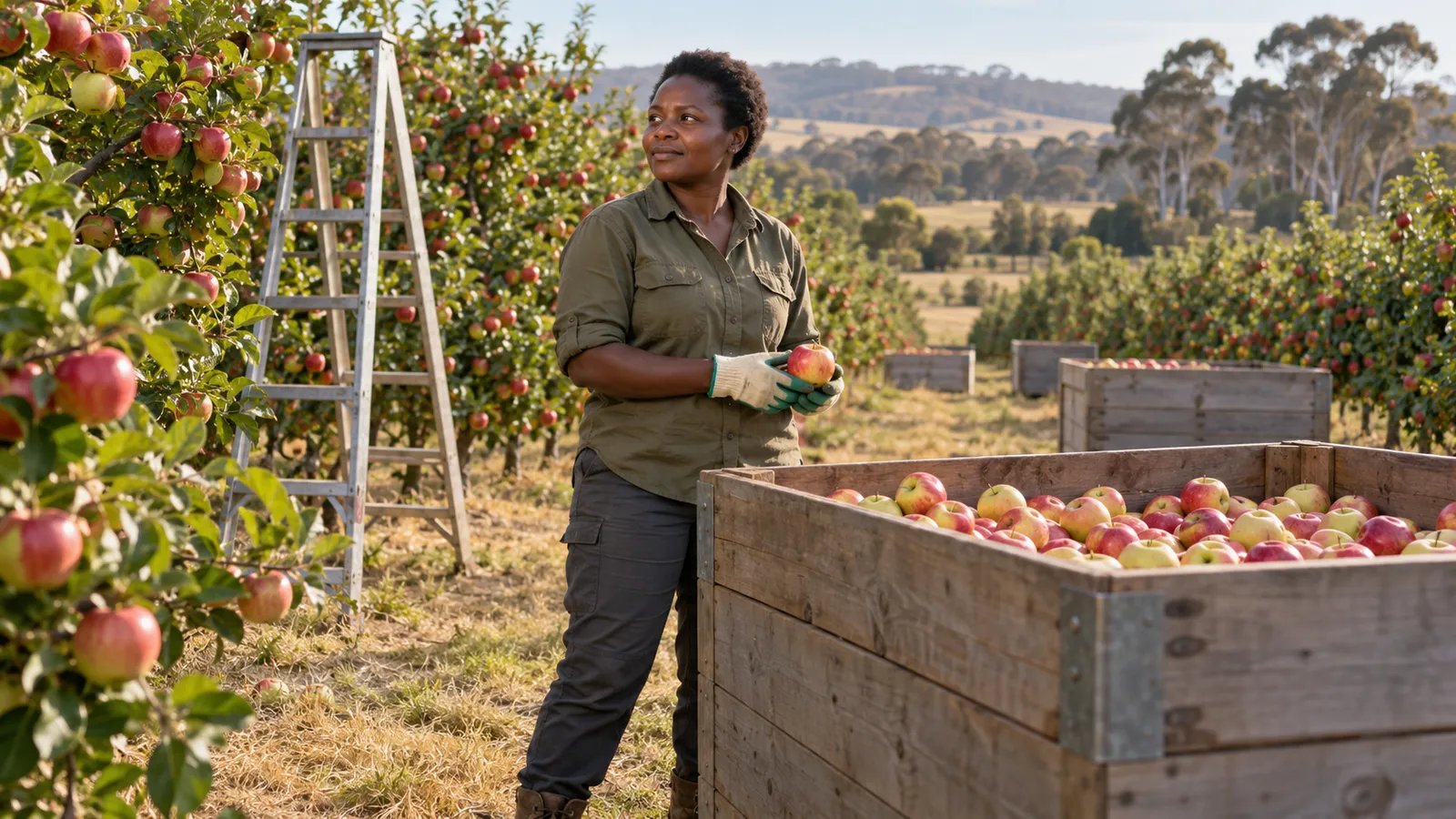
A government that is under pressure over record net migration will want to be seen doing something. The quiet pause on working holiday applications for twenty-four countries looks like exactly that kind of move. Readers in Dar es Salaam or Arusha have no working holiday arrangement with Australia, but the politics behind the pause is worth understanding, because the same pattern can affect other visa streams.
The political framing
The familiar shape is a government reaching for a lever that is visible and easy to pull, even if it is not the one connected to the pressure point. Working holiday-makers are not clustering in capital-city rental markets or straining metropolitan infrastructure. Census and visa-holder data have long placed them in the regional postcodes now warning of the fallout.
A second thread: protecting PALM workers
Regulators have been pushing to strengthen protections for workers on the Pacific Australia Labour Mobility (PALM) scheme. There is an acknowledged concern that tougher standards push some employers towards backpacker labour as a way to sidestep them. If that is part of the pause, it suggests the slowdown may be less about migration volume and more about steering agricultural employers back to a particular labour channel, with backpacker-dependent regions absorbing the cost of the transition.
What the pause looks like on the ground
| Who | Effect |
|---|---|
| Orchards and vineyards | Ripening windows measured in days leave no room for delay |
| Grain growers | Already facing fuel and fertiliser pressure, drought and feral animal problems |
| Recruiting farmers | See a thinner pool of candidates before any official confirmation |
| Regional tourism and agricultural bodies | React to a decision they had no visibility into, when reaction time is shortest |
The change surfaced in a status field on a government website, not through an announcement, with no consultation or transition period.
Whatever the policy reason, the pattern is worth watching. Settings that affect regional labour supply are increasingly being adjusted with minimal warning, and the sectors most exposed are rarely the ones the changes are meant to address. That is a reason to follow policy closely rather than assume that a rule you rely on will stay put.
What it means for Tanzanian readers
- Migration settings that touch regional labour supply can be adjusted with minimal warning.
- Sectors that feel the effects are rarely the ones the changes were aimed at.
- Employers may react by looking at other channels, but this story does not show that new routes will open for people in Tanzania.
Prepare what you control. Gather your NECTA results, degree or diploma documents and any VETA certificates. A VETA certificate does not automatically equal an Australian licence or skills assessment. If a police certificate is requested, the usual Tanzanian route is police clearance from the Tanzania Police Force. A clear CV from Build AI CV helps employers see what you can do.
Before you pay for any application, speak to an agent registered with the Migration Agents Registration Authority (MARA) for Australia, or a licensed immigration adviser or lawfully exempt person for New Zealand, and ask what the advice costs.
Common mistakes when reading policy moves
- Believing the stated target of a change is its only effect.
- Ignoring changes to visa streams you are not using, which can still reshape employer behaviour.
- Waiting for a public statement before checking official pages.
- Letting political headlines decide your plans without advice.
To go further, see the working holiday shake-up, the farm visa fix and why the migration debate may ask the wrong question.
Frequently asked questions
Is the pause really about migration numbers?
It may be less about volume and more about steering employers towards the PALM scheme, but no official reason has been given.
Which visa was paused?
Working holiday applications for twenty-four countries.
Does the pause affect Tanzania?
No. Tanzania has no working holiday arrangement with Australia.
Who bears the cost?
Mostly regional employers in agriculture and tourism that rely on short-term labour.
Who should advise me?
An agent registered with MARA for Australia, or a licensed immigration adviser or lawfully exempt person for New Zealand. Always agree fees in writing.
Key takeaways
- Working holiday applications for twenty-four countries were paused without announcement.
- The pause may be about steering labour as much as cutting numbers.
- Regional farms and tourism operators pay the transition cost.
- Tanzania has no working holiday arrangement, but the pattern of quiet change matters.
- Prepare documents and use registered advice.
#visa pause #migration politics #working holiday #palm scheme #tanzania
 From 57,000 to 45,000 and from 31,000 to 5,000: the farm labour numbers behind Australia's visa shake-up
 Why Tanzanians should read the small print on Australia's working holiday changes before trusting any agent
 Will an Australian qualification lead to a skilled job? Findings Tanzanian students should read first