Three questions Australian growers are asking about the harvest visa fix, and what Tanzanians can take from it
News · 2026-09-26 · 4 min read
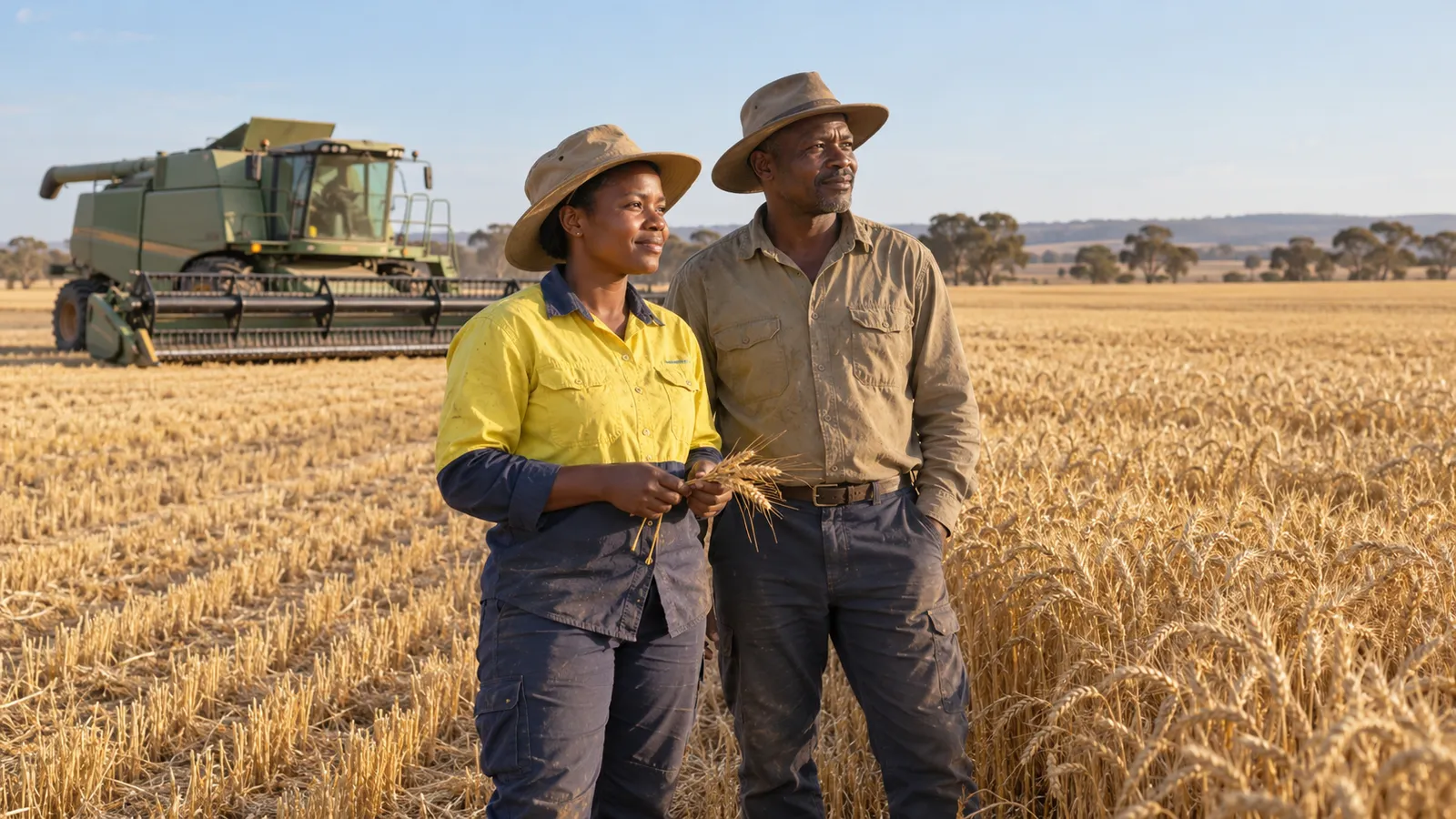
Australia's grain farmers have been watching the sky for rain and the news for visas. A new referral arrangement offers partial relief, and the way growers have received it tells you a lot about how the system really works. Let us follow three questions they are asking.
Question one: will enough workers arrive?
That is the worry behind everything. Australia is a major supplier of wheat, barley and canola, and its harvest draws a workforce that swells every season, much of it temporary migrants on working holiday maker visas. Then Canberra announced plans to trim annual migration by tens of thousands, and processing for those visas, already slowed from days to several months, looked set to slow further.
Readers in Dar es Salaam and Arusha should note that working holiday visas depend on arrangements with particular countries, and they should not plan around one. The story is still useful as an example of how seasonal labour policy is made.
Question two: what exactly was agreed?
Late in September 2026, when this story first appeared, the government agreed to a workaround. Industry bodies can nominate urgent farm labour cases, and the Department of Home Affairs prioritises those particular applications. It is not a blanket exemption. The route is expected to operate through the national farmers' federation and aims at applicants who already have a documented agricultural job offer and a start date within a three-month window.
Think of it as a lane for the genuinely urgent, with proof of a real job as the entry ticket. The same idea runs through our guide to visa processing priorities.
Question three: is it a real fix?
Here growers are candid. They thank the government for responding but say plenty is unclear: how the mechanism will work, how many applications it can take, and whether priority means faster approval or simply another queue. The wider rules have not changed. A three-month processing ceiling and tighter restrictions on visa extensions remain.
So this is a triage lane rather than a policy reversal. The answer will show up during harvest, when the first urgent applications move through.
Lessons for readers who care about Australian work
- Employers prove need with documents, so keep yours organised, from NECTA results to VETA certificates and work letters.
- Timing matters, because seasonal work runs on narrow windows.
- Policies change quickly, so rely on current official pages.
If you want to see how farm and harvest roles are described, Seasonal Jobs Australia is a place to browse. Our jobs page lists current openings, and the article on why visa costs move the way they do adds context.
A grower's-eye view of timing
Harvest does not wait. A crop that is ready has to come off the paddock within a short window, so a worker who arrives late may as well not arrive. That is why the three-month start window matters to the arrangement, and why growers press for clarity about speed. Anyone in Tanzania reading this should see the lesson: Australian seasonal work runs on tight calendars, and documents that are late are as costly as documents that are missing.
Common mistakes to avoid
- Believing a referral lane means a visa is quick or certain.
- Paying anyone who claims to speed up a government decision. If you need advice on Australia, use a migration agent on the MARA register.
- Copying advice from a country with different visa arrangements.
- Waiting for a job offer to be documented before thinking about paperwork.
Frequently asked questions
Who benefits from the new lane?
Applicants with a documented agricultural job offer and a start date within a three-month window, nominated through industry bodies.
Has the processing ceiling gone?
No. The three-month ceiling and tighter extension limits remain.
Can people from Tanzania use a working holiday visa?
Do not plan around it. Those visas depend on country arrangements.
How will we know if it works?
Growers say it will become clear only once harvest is under way.
Key takeaways
- A referral route now lets industry bodies flag urgent farm labour cases.
- It does not change the three-month ceiling or the tighter extension rules.
- Documented job offers and start dates are what the route looks for.
- Take advice from a MARA-listed agent and use official pages.
#harvest #visa fix #australia #farm labour #tanzania
 Will an Australian qualification lead to a skilled job? Findings Tanzanian students should read first
 One in three Australians would pick another career because of AI: lessons for Tanzanian job seekers
 Studying in Australia from Tanzania? The proposed end of the graduate visa, explained