Is the door opening for Tanzanian builders? What Australia's tradie shortage figures really say
News · 2026-09-10 · 4 min read

Three questions come up whenever a big shortage figure appears in the news. Is it real? Does it include me? And what do I do next? Australia's construction industry now says it could be short of about 935,600 workers by 2035, so these questions are worth taking one at a time for anyone in Dar es Salaam, Arusha or elsewhere in Tanzania who works in the trades.
Is the shortage real?
The figure is a projection and it comes with a caveat: even if every recommended reform happened, the country would still be short by more than 84,000. Two things drive it. The training pipeline is not producing enough new tradespeople, and there is a large amount of work ahead, with roughly $242 billion of infrastructure spending planned over five years and a long move to net-zero energy. Separate modelling expects a 300,000-worker gap around 2027.
Does it include me?
That depends on what you do and how your skills are recognised. Carpentry, electrical, plumbing and civil construction are all named as trades with sustained demand. Migration is already part of the response: skilled visas for construction workers have tripled since 2019, and 15,524 were issued in 2024-25, the highest annual total in a decade.
But the funding announced so far, $85 million to speed up skills recognition, is aimed at migrants who are already in the country. A $10,000 incentive exists for new apprentices entering housing construction. Neither is a benefit for someone still in Tanzania. What they do show is that governments are working on the step between "qualified abroad" and "qualified to work here". Recognition for onshore workers could unlock more than 18,000 people almost immediately, which gives a sense of how important it is.
What do I do next?
Start with paperwork you control:
- Your VETA certificates, school results from NECTA, and written confirmation from employers of the work you have done.
- A CV that lists your trade, years of practice, tickets and typical projects; Build AI CV can help.
- A note of any registration or licence you hold in Tanzania.
Then ask how Australia would treat your trade. A VETA certificate never automatically equals an Australian licence or skills assessment, and some trades such as electrical and plumbing also need a state licence. You can read general information about recognition on RPLDirect, and a migration agent on the MARA register can explain visa options for your situation.
Whatever route you eventually choose, being organised early costs little and saves time later. Many people lose weeks looking for an old certificate or an employer who can write a reference, so deal with these small tasks first.
Common mistakes in this situation
- Reading "935,600" as the number of jobs available today.
- Believing the tripling of visas means a place is secured for you. Every application is judged individually.
- Delaying document preparation until a vacancy appears.
- Giving money to anyone who says they can arrange a job or visa quickly.
A quick comparison of what matters most
| Question | Short answer | Next action |
|---|---|---|
| Is demand likely to last? | The gap is projected to run through 2035 | Plan for a long-term process |
| Is recognition a hurdle? | Yes, which is why funding targets it | Ask early how your trade is assessed |
| Do I need advice? | For visas, yes | Use an agent on the MARA register |
For more context see our article on the skills shortage and look at international student policy, along with the jobs list.
Frequently asked questions
Are Tanzanian trade qualifications accepted in Australia?
They are evidence of your training, but recognition depends on the trade and the assessing body.
Is the shortage the same in every state?
The projection is national. Employers in each place will have their own needs.
Why is housing mentioned so often?
Housing, rail, roads and renewable energy builds are all competing for the same workers.
Can I rely on this news to plan a move?
Use it as background only. Plans need a job offer, assessment and a suitable visa.
Who gives trustworthy visa advice?
A migration agent on the MARA register for Australia.
Key takeaways
- A projected shortfall of about 935,600 by 2035 suggests long-term demand.
- Recognition is the bottleneck governments are working on.
- Recent funding is aimed at people already in Australia.
- Tanzanian qualifications need assessment and sometimes licensing.
- Prepare documents now, and use authorised advisers only.
#tradie shortage #australia #tanzania #builders #construction #visas
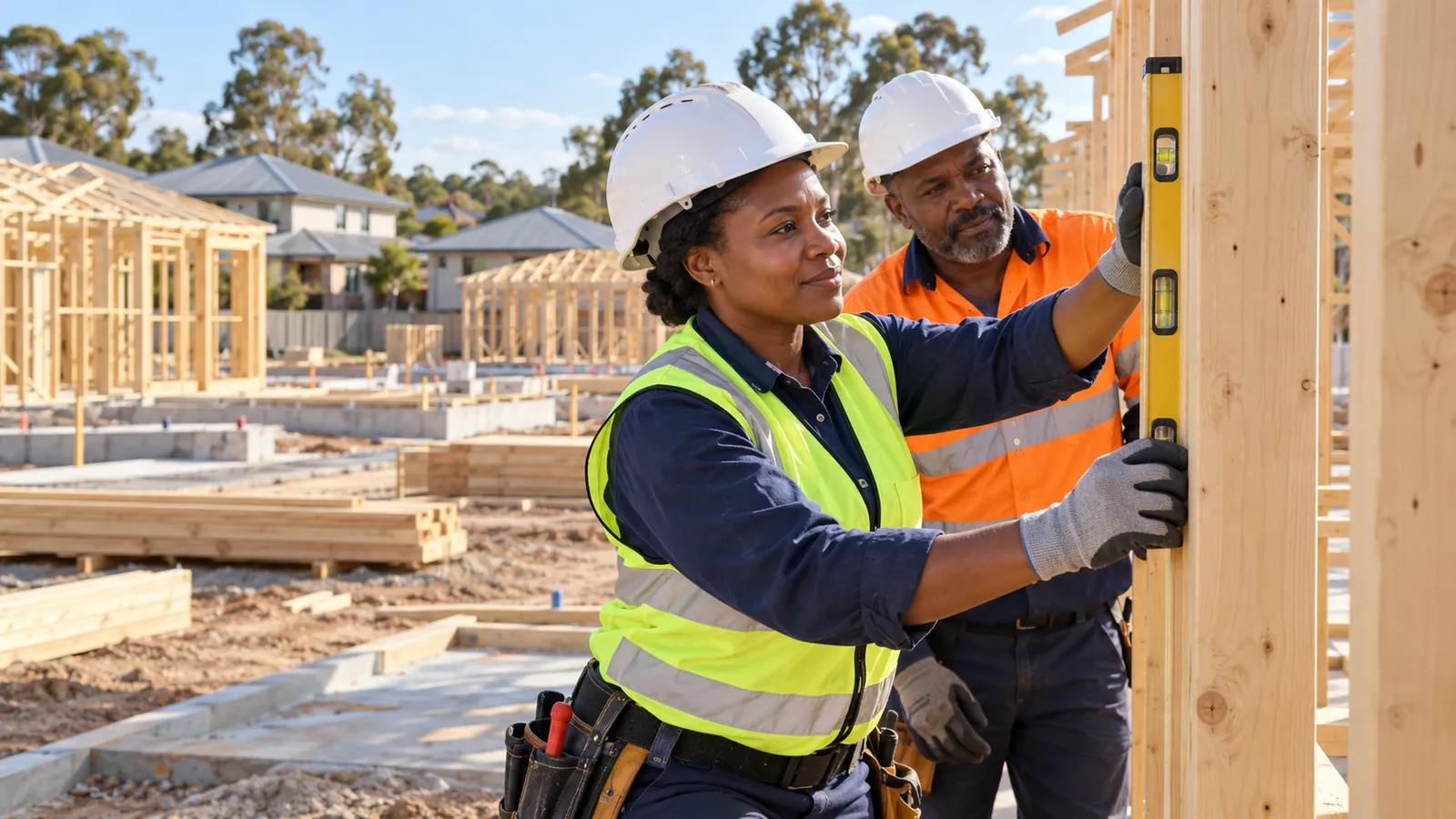 Is Australia's builder shortage a door for Tanzanian tradespeople? What the closures really show
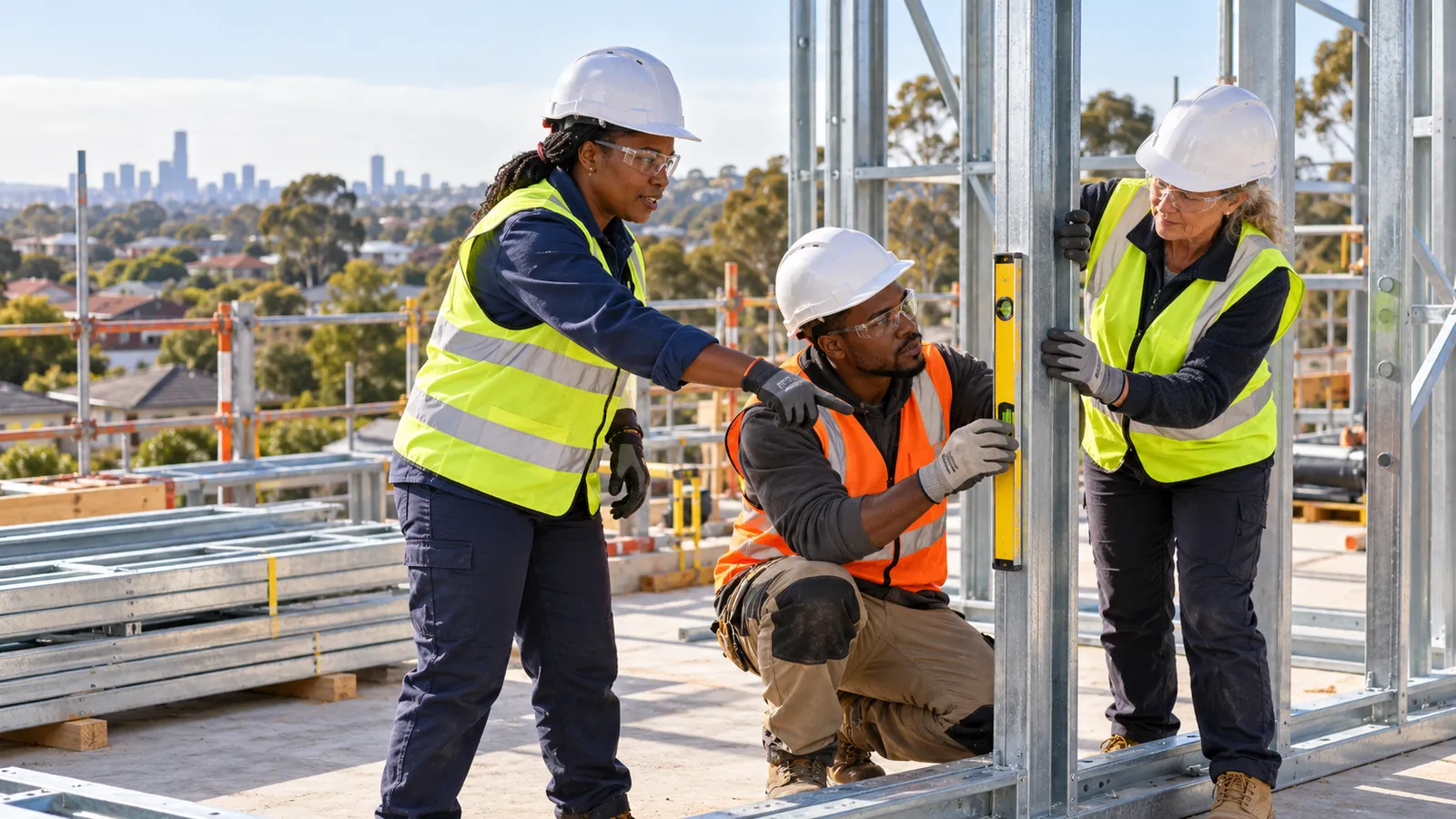 Why site systems matter as much as site vacancies: a guide for Tanzanian builders eyeing Australia
 Will an Australian qualification lead to a skilled job? Findings Tanzanian students should read first